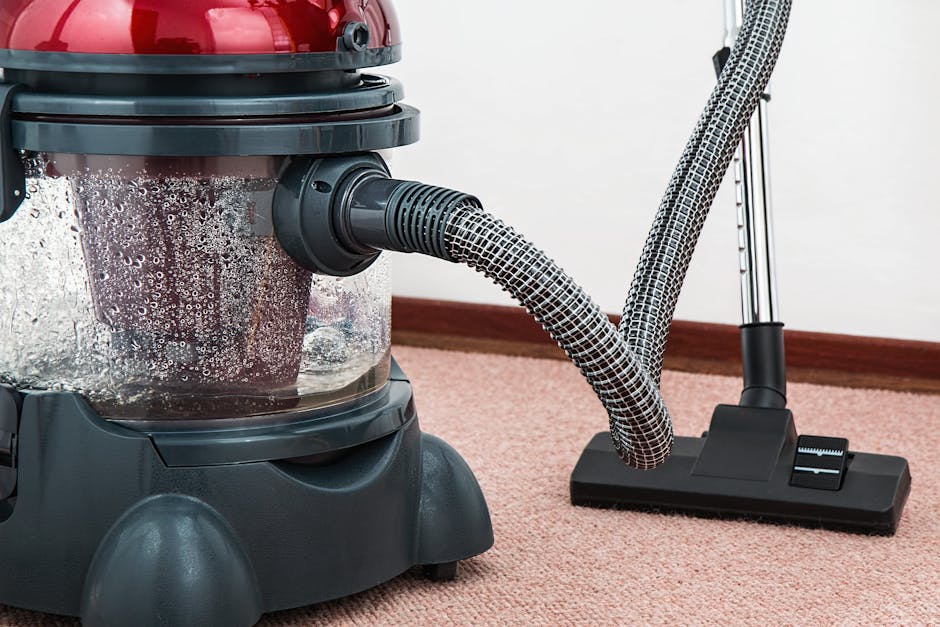
Willesden Green end of tenancy carpet cleaning results: what to expect, what looks good, and how to get it right
If you are trying to judge Willesden Green end of tenancy carpet cleaning results, you are probably in that slightly stressful middle ground: the move is happening fast, the carpets look a bit tired, and you want to know whether a professional clean will actually make a visible difference. Fair question. In a rental property, carpet condition can affect first impressions, deposit discussions, and the general feeling of whether a place has been properly handed back. This guide breaks down what good results look like, how they are achieved, and what to expect in a real end of tenancy situation in Willesden Green.
We will look at stain types, cleaning methods, drying times, common mistakes, compliance-minded best practice, and a practical checklist you can use before the final handover. There is no fluff here. Just the stuff people wish they knew before the van turns up and the keys are due back.
- Why the results matter
- How the cleaning works
- Benefits and practical advantages
- Who needs this service
- Step-by-step guidance
- Expert tips for better results
- Common mistakes to avoid
- Tools, resources and recommendations
- Law, compliance, standards and best practice
- Options and method comparison
- Real-world example
- Practical checklist
- Conclusion
- Frequently asked questions
Why Willesden Green end of tenancy carpet cleaning results Matters
End of tenancy carpet cleaning is not just about making a carpet look a bit nicer. At move-out, the floor often gets judged before anything else. If the hallway looks bright, the lounge smells fresh, and the bedroom carpet no longer shows those dull traffic marks, the whole property feels better cared for. That matters whether you are a tenant trying to leave on good terms or a landlord preparing the next let.
In Willesden Green, where homes range from compact flats to older terraced conversions, carpets can pick up a mix of everyday grime: shoe dirt from the street, dust from busy living, drink spill marks, pet smells, and the classic worn patch by the sofa. A decent clean can transform the visual result. Not magic. But close enough that people often underestimate it until they see the drying carpet under natural daylight the next morning.
Results matter because expectations are usually practical rather than perfect. A proper end of tenancy clean should aim to remove visible soil, refresh fibres, reduce odour, and leave the pile looking more even. The carpet may not become brand new, especially if there is permanent wear or fibre damage, but the difference between "lived in" and "cleaned properly" is usually obvious.
Expert summary: the best end of tenancy carpet cleaning results are the ones that look clean, smell clean, dry sensibly, and hold up under a careful final inspection. Not glossy. Not over-wet. Just properly finished.
If you are comparing services more broadly, it can help to look at a specialist page like carpet cleaning alongside related treatments such as stain removal and pet stain and odour removal. End of tenancy work often draws on all three, because real-life carpets rarely need only one thing.
How Willesden Green end of tenancy carpet cleaning results Works
Good results come from a process, not a spray-and-pray approach. Most professional tenancy cleans begin with inspection. That sounds obvious, but it is where the real judgement happens. Technicians look for fibre type, stain patterns, heavy wear, previous cleaning residue, and any areas that may need spot treatment before the main clean.
From there, the carpet is normally prepared, treated, and cleaned using a method suited to the material and soil level. In many homes, hot water extraction is the preferred route because it reaches deep into the pile and pulls out soil that dry surface cleaning simply leaves behind. Some carpets respond better to lower-moisture work, especially if the fibres are delicate or the room needs a quicker turnaround. The right choice depends on the carpet, not a fixed script.
Here is the simple version of what usually happens:
- Initial inspection and fibre check.
- Vacuuming to remove loose debris and grit.
- Pre-treatment on stains, traffic lanes, and marked areas.
- Main cleaning with the most suitable method.
- Post-treatment for stubborn spots where needed.
- Final grooming, so the pile dries more evenly and looks neat.
The visible result is usually a brighter, more even carpet with better colour clarity. You may notice that shadowy traffic routes near the door or through the living room become less obvious. Food marks, general dinginess, and dull patchiness often improve significantly. Deep-set stains can improve too, though this depends on how long they have been there and what caused them. Ink, bleach damage, and wear are a different story, to be fair.
For readers who want a closer look at the cleaning approach itself, steam carpet cleaning explains the deeper-clean principle well, and rug cleaning is useful if you need to think about smaller or more delicate floor coverings at the same time.
Key Benefits and Practical Advantages
The strongest benefit is visual, and you will usually see it straight away. A carpet that looked flat and grey in the afternoon can look noticeably fresher once it is dry and properly brushed out. But there are a few more practical advantages worth understanding.
- Better first impression: clean carpets make the property feel brighter and more move-in ready.
- Odour reduction: not perfume, just the absence of stale or trapped smells.
- Improved fibre appearance: traffic lanes and flattened areas often look less tired.
- More even colour: soil that was hiding in the pile no longer dulls the room.
- Support for inventory checks: a clean carpet gives fewer arguments about condition.
- Better next-tenant readiness: the property can be marketed or re-let with less delay.
There is also a psychological benefit. This sounds small, but it is real. When the floors look cared for, the whole flat feels less chaotic at the end of a move. One less thing nagging at you while you are chasing removals, keys, and cardboard boxes. Sometimes that matters almost as much as the visible clean itself.
If you are dealing with a broader property clean, you may also want related services such as upholstery cleaning or curtain cleaning. Soft furnishings hold onto dust and smell in a way that is easy to underestimate, especially in smaller London homes where the air does not always move as freely as you would like.
Who This Is For and When It Makes Sense
This kind of cleaning makes sense for a few different people, and each has a slightly different goal.
Tenants moving out
If you are leaving a rented property in Willesden Green, you want carpets to look acceptably clean for the final inspection. That does not mean chasing perfection on a worn wool blend from 2008. It means removing the obvious dirt and presentable marks so you are not leaving behind avoidable issues.
Landlords and letting agents
If a tenant has left, or a new tenancy is starting soon, end of tenancy carpet cleaning can be part of the handover process. The aim is simple: reduce visible wear, freshen the property, and make the next move smoother. In a competitive local rental market, a clean carpet can quietly improve how the place is perceived.
Agents managing short turnarounds
When the gap between tenancies is tight, time matters. The right clean can reduce the number of separate jobs needed and help the place look more complete faster. That is especially useful if other works are being done too.
Households with pets or children
Let's be honest, carpets in family homes take a beating. Crumbs, muddy footprints, drink spills, toy dust, the odd mystery stain. End of tenancy cleaning often makes sense here because the room has collected layers of everyday life, not just visible dirt.
And if the problem is more than general soil, a targeted service can help. Pet stain odour removal is especially relevant where smells have settled into the pile rather than sitting on top of it. You can clean the surface all day, but odour trapped below is a different beast.
Step-by-Step Guidance
If you want the best possible results, the process before and during cleaning matters just as much as the clean itself. Here is the practical version.
- Inspect the carpet room by room. Note stains, wear lines, discolouration, and any loose fibres or damage.
- Vacuum thoroughly. Grit acts like sandpaper inside the pile, so removing dry soil first improves the final result.
- Identify the stain type where possible. Food, grease, pet accidents, makeup, drink spills, and mud all respond differently.
- Choose the right method. Hot water extraction suits many carpets, but some materials need a gentler approach.
- Pre-treat trouble spots. This is where the result often improves from "fine" to "properly good".
- Clean in sensible sections. A room-by-room approach reduces missed patches and keeps the finish consistent.
- Groom and ventilate afterwards. This helps the carpet dry evenly and look neater once it is set.
A useful little habit: take a quick phone photo before and after. Not for drama. Just for clarity. Under soft indoor lighting, it is surprisingly easy to forget how marked a carpet looked before it was cleaned. The camera tends to remind you.
If you are comparing service types, a plain steam-based clean may be enough for general tenancy use, but deep spot issues often benefit from more targeted stain removal. The best results usually come from combining both.
Expert Tips for Better Results
A few small choices can make a big difference to the final result. Nothing dramatic. Just the kind of details that separate a decent clean from a really solid one.
- Deal with stains early: older marks are harder to shift because they have had time to bond with the fibres.
- Do not soak the carpet: over-wetting can leave longer drying times and a musty smell.
- Move light furniture if possible: cleaning under the edges makes the finish feel complete.
- Be honest about problem areas: if a stain is permanent, saying so upfront avoids false expectations.
- Ventilate after cleaning: open windows a little if weather allows; fresh air helps more than people think.
- Ask about fibre suitability: wool, synthetic, and blended carpets can all behave differently.
One more thing. Don't assume a carpet is beyond saving because it looks dull before cleaning. Quite often, the visible problem is just compacted soil. Once lifted, the room changes. Not always dramatically, but enough to feel like a relief.
For properties with mixed furnishings, the same logic applies to sofa cleaning and mattress cleaning. If the carpets are clean but the fabric armchair still smells faintly of last winter, the room does not feel fully reset. Funny how that works.
Common Mistakes to Avoid
Most poor results come from avoidable mistakes, not impossible stains. The most common ones are simple, but they keep happening.
- Waiting until the last minute: if cleaning happens too close to handover, there may not be enough drying time.
- Using the wrong DIY product: some household cleaners can bleach, spread, or lock in a stain.
- Scrubbing aggressively: that often damages the pile and makes the mark larger.
- Ignoring odour sources: a clean-looking stain can still smell if the underlying issue is not treated.
- Assuming one pass is enough: high-traffic areas often need extra work.
- Forgetting the corners and edges: those are exactly the spots people notice during inspection.
Another subtle mistake is expecting a clean to fix wear. It won't. Cleaning removes soil, not fibre abrasion. If the carpet is threadbare in places, the result may be cleaner but still visibly worn. That is normal, and it is better to know that before the final walkthrough rather than after.
Tools, Resources and Recommendations
You do not need a giant toolkit, but the right equipment and supporting products matter. Professional results usually rely on a combination of inspection, vacuuming, stain-specific pre-treatment, cleaning extraction, and grooming. Simpler jobs may need less, but the principle stays the same.
| Method | Best for | Strength | Limitation |
|---|---|---|---|
| Hot water extraction | General end of tenancy carpet cleaning | Deep soil removal and strong refresh effect | Needs sensible drying time |
| Low-moisture cleaning | Quicker turnarounds or more delicate carpets | Faster drying | May be less effective on heavier soiling |
| Targeted stain treatment | Spots, spills, and localised marks | Focused on problem areas | Not every stain can be fully removed |
| Odour treatment | Pet accidents and lingering smells | Improves freshness | Works best when the source is treatable |
For a broader property reset, it is also worth checking the company's practical information pages such as pricing and quotes, insurance and safety, and health and safety policy. These pages help you judge whether the service feels organised, transparent, and properly prepared. That matters. A lot more than a flashy promise.
If sustainability is part of your decision-making, recycling and sustainability may also be relevant. It is nice to know the approach is not wasteful when you are already in the middle of a move and trying to keep everything sensible.
Law, Compliance, Standards, or Best Practice
End of tenancy carpet cleaning is not usually about one strict national rule. It is more about practical standards, tenancy expectations, and being fair on both sides. In the UK, tenancy agreements often set out the condition the property should be returned in, and the inventory or check-out report is usually where carpet condition is compared against the move-in record.
The safest best practice is straightforward: clean carpets to a professional standard, keep evidence where helpful, and avoid claiming more than the material condition allows. If a carpet is heavily worn, honesty matters more than hype. A professional clean can improve appearance and hygiene, but it should not be presented as a repair for damage.
For landlords and tenants alike, the cleanest process is the one that is transparent. Agree the expectation where possible, document the condition, and ensure any cleaning method is suitable for the fibre. That is the kind of careful approach that avoids unnecessary disputes.
If you want a service with clear operating standards, it helps to review practical site pages like terms and conditions and privacy policy. Not exciting reading, granted. But useful.
Options, Methods, or Comparison Table
Not every end of tenancy carpet needs the same treatment. Here is a simple comparison to help you judge which option is more likely to deliver the results you want.
| Scenario | Likely best option | What result to expect |
|---|---|---|
| Light general soiling | Standard professional carpet cleaning | Brighter appearance, fresher smell, less surface dullness |
| Visible stains in traffic areas | Cleaning plus targeted stain treatment | Better stain lift and more even finish |
| Pet odours or accidents | Deep clean with odour-focused treatment | Improved freshness, though not every source can be fully reversed |
| Delicate fibres or older carpets | Lower-moisture, fibre-safe method | Safer clean with a more cautious finish |
| Whole-property reset before new tenants | Carpet cleaning plus upholstery or rug work | A more complete refresh across the home |
There is no universal best method. The right answer depends on the carpet, the stain history, and the deadline. That is why a quick inspection before cleaning is worth so much. It stops guesswork.
Case Study or Real-World Example
Here is a realistic example, not a glossy success story. A small two-bedroom flat in Willesden Green had a lounge carpet with obvious traffic marking from the entrance to the sofa, one drink stain near the window, and a slightly stale smell after several years of normal use. Nothing dramatic. Just the kind of "lived in" condition that makes people sigh a little when they open the door.
The carpet was vacuumed thoroughly, pre-treated on the visible spots, and cleaned section by section. The drink stain faded well but did not vanish entirely. The traffic lanes improved a lot more than expected, which is often where the biggest visual change comes from. Once dry, the room looked lighter, the pile stood up more evenly, and the stale note had gone. Not perfumed. Just cleaner.
That is the sort of result most people are really after. Not perfection. A convincing reset.
In a case like that, the final finish would often be supported by a broader soft-furnishings clean if the room still needed it, such as upholstery cleaning for the sofa or curtain cleaning if the windows had been holding dust and smell for years. Little details. They add up.
Practical Checklist
Use this before the final handover or before booking the clean.
- Check the tenancy agreement or inventory notes for any carpet-related condition terms.
- Walk each room in daylight if possible and note visible marks.
- Identify pet, food, drink, and grease stains separately.
- Vacuum thoroughly before the cleaner arrives.
- Move lightweight items so the full carpet area can be accessed.
- Ask how the carpet fibre will be treated.
- Confirm drying expectations before the appointment.
- Ventilate rooms afterwards if it is safe and practical to do so.
- Take clear before-and-after photos for your own records.
- Inspect edges, doorways, and corners once dry.
That last one catches people out more often than you would think. The centre of the room looks great, then the skirting line quietly tells a different story. Tiny thing, but important.
Conclusion
Willesden Green end of tenancy carpet cleaning results are usually most successful when the clean is matched to the carpet, the marks are treated properly, and the drying time is respected. The goal is not to pretend a carpet has never been lived on. The goal is to make it look clean, fresh, and ready for the next chapter.
For tenants, that can mean a calmer handover and fewer avoidable disputes. For landlords and agents, it means a property that presents well and feels cared for. And for anyone in the middle of a move, it is one less thing hanging over the day. Honestly, that is worth a lot.
Get a free quote today and see how much you can save.
When the carpets are sorted properly, the whole place feels lighter. A bit less stressful. A bit more ready. And sometimes that is exactly the result you need.
Frequently Asked Questions
What results should I expect from end of tenancy carpet cleaning in Willesden Green?
You should expect a visible improvement in cleanliness, freshness, and pile appearance. Most carpets look brighter and more even, though permanent wear or fibre damage will still show.
Can carpet cleaning remove all stains before I move out?
Not always. Fresh stains and common household marks often improve a lot, but bleach damage, old dye transfer, and deep-set marks may not come out completely.
How long do carpets take to dry after cleaning?
Drying time depends on fibre type, method used, room airflow, and how heavily the carpet was cleaned. In practice, it can vary from a few hours to longer, so planning ahead is wise.
Is steam carpet cleaning the best option for tenancy cleaning?
It is a strong option for many carpets because it can lift deep soil well, but it is not always the only or best choice. Delicate carpets may need a lower-moisture approach.
Will a professional clean help me get my deposit back?
It can help by improving the carpet's appearance and reducing avoidable cleaning issues. That said, deposit outcomes depend on the tenancy agreement, inventory, and overall property condition.
Do pet smells disappear after carpet cleaning?
Often they improve significantly, especially when the source is treated properly. If the odour has soaked deeply into the backing or underlay, full removal may be more difficult.
Should I clean the carpet before or after moving furniture out?
Ideally, after most furniture has been removed. That lets the cleaner access more of the floor and gives a more complete result. If some items must stay, just mention that in advance.
Can old rental carpets still look good after cleaning?
Yes, if the main issue is soil rather than wear. Older carpets often benefit a lot from cleaning, but threadbare areas and flattened fibres will still be visible.
Is end of tenancy carpet cleaning different from regular carpet cleaning?
Yes. End of tenancy work is usually more focused on visible presentation, stain removal, odour reduction, and preparing the property for inspection or a new occupant.
What should I check before booking the service?
Look at the carpet's condition, the stain types, the fibre if known, drying time, and whether any related services are needed. If the property has upholstery or rugs that also look tired, it may be worth bundling the work.
Do I need to worry about safety and insurance?
It is sensible to check. For any in-home service, you want reassurance around safe working practices, suitable equipment, and clear terms. That is just good sense, really.
What if the carpet still looks patchy after cleaning?
Sometimes patchiness is down to uneven wear, fibre distortion, or previous spot cleaning rather than dirt. A good cleaner should explain what improved, what did not, and why.
If you are ready to compare options, a clear next step is to review the service details, ask about stain concerns, and decide whether a broader clean would help the whole property feel complete.